
Weight loss can feel like a tug of war between your goals and your stomach. Weight loss drops can be part of the plan, but they work best in conjunction with basic habits, rather than as a form of food punishment. If you want product directions and usage notes in one place, the Gelatide website is where most people start. Think of drops like training wheels, helpful, but not the whole bicycle. If you try to “out-drop” a messy routine, you will feel stuck. If you pair drops with steady meals, movement, and sleep, things often go more smoothly. But, how exactly should we use weight loss drops for the best results? Let’s find out.
Start With the Label and a Realistic Routine
Read the serving size and timing instructions before day one. Write the plan down, even if it’s on a sticky note. Consistency beats random dosing that changes every day. If you take other supplements or medications, check with a clinician first. Pick one simple goal for week one. Not “lose 10 kg.” Try “follow the schedule daily” or “stop late-night grazing.” That makes the habit stick. Your brain likes clear rules, not complicated math.
Use Timing to Manage Appetite, Not to Skip Meals
 Many people take drops at the same time daily, often before meals. This can help reduce mindless snacking and “pantry magnet” moments. But you still need meals that actually satisfy you. Skipping lunch and calling it discipline usually backfires. Anchor the timing to something you already do. Brush teeth, make coffee, feed your cat, anything stable. If you miss a dose, don’t double up like it’s a movie montage. Just return to the normal schedule. Progress likes calm, not chaos.
Eat Enough Protein and Fiber, So You Don’t Feel Cursed
Starving yourself makes cravings louder. It also makes you tired, irritable, and weirdly obsessed with bread. Build meals around protein, fiber, and some healthy fat. That combo helps you stay full longer. Use a simple plate rhythm. Start with protein, add vegetables or fruit, then choose a carb portion that fits your day. Keep snacks planned, not accidental. If hunger hits hard, drink water first and wait ten minutes. Sometimes your body is thirsty, not dramatic.
Add Small Movement and Protect Your Sleep
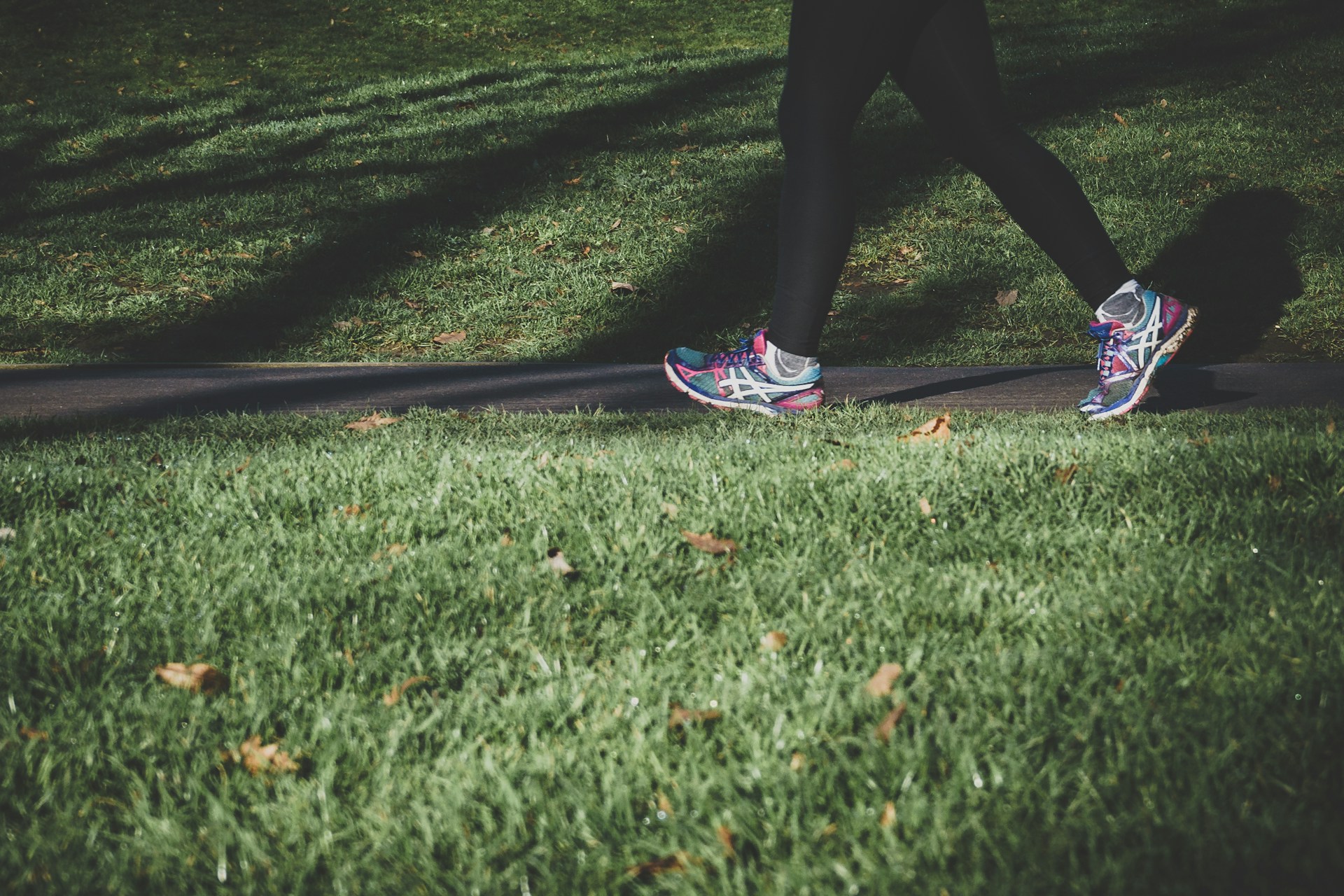
You don’t need a gym membership to support fat loss. A ten-minute walk after meals can help with energy and blood sugar swings. Strength training helps too, even bodyweight at home. The key is repeatable movement, not perfect workouts. Sleep is where many plans fall apart. Poor sleep can increase hunger signals and reduce self-control. Aim for a steady bedtime window most nights. Cut screens earlier if you can. Your body will feel less “snack-hungry” the next day.
Track Progress Weekly and Adjust Like a Grown-Up
Daily weigh-ins can mess with your head. Water weight changes fast, especially with salt, carbs, and stress. Track weekly trends instead. Pair the scale with waist measurements or how clothes fit. Pay attention to side effects and how you feel overall. If you get nausea, dizziness, headaches, or anything concerning, stop and talk to a healthcare professional. If you are pregnant, breastfeeding, or managing a medical condition, get medical guidance before starting. The goal is steady results you can live with, not a short sprint that hurts.…
 Many people believe that hours of cardio are the ultimate solution for burning fat. While cardio is beneficial, overreliance on it can be counterproductive. When you focus solely on running or cycling, you may miss out on the advantages of strength training. Building muscle helps increase your resting metabolic rate, allowing you to burn more calories even when you’re not working out. Additionally, excessive cardio can lead to burnout and injuries. You’ll likely feel fatigued and less motivated to stick with a routine if you’re constantly pushing your limits with long sessions.
 Sleep often takes a backseat in our busy lives. Yet, it plays a crucial role in fat loss. When you skimp on sleep, your body responds with hormonal changes. Increased cortisol levels can lead to cravings for high-calorie foods. This makes it harder to stick to healthy eating habits. Lack of rest also affects your energy levels. You might be less motivated to exercise or engage in physical activities. That’s counterproductive when trying to burn fat. Fat-burning can be a complex journey, and falling into common traps is easy.